80% vs. 90%+ Models
We explain the difference between standard-efficiency and condensing furnaces, including venting changes, condensate drainage and operating costs, so you choose the right model for your home's layout.
Heating
Gas furnace installation in Roswell, GA with proper gas piping, venting, combustion air and carbon monoxide testing. Standard and high-efficiency models.
Natural gas remains one of the most popular ways to heat a home in North Fulton, and a gas furnace delivers strong, steady warmth even during the coldest nights. Our gas furnace installation in Roswell covers the gas-specific details that make a system safe and efficient. We help you decide between an 80 percent furnace that vents through a metal flue and a 90-plus percent condensing furnace that vents through PVC and needs a condensate drain. Our installers size and connect the gas line, install a sediment trap and shutoff valve, test for leaks and set manifold pressure to the manufacturer's specification. We also confirm adequate combustion air, check that the old chimney or flue is appropriate for the new appliance, and recommend carbon monoxide detectors where they are missing. Every installation finishes with a combustion analysis so you know the furnace burns cleanly from day one.
We explain the difference between standard-efficiency and condensing furnaces, including venting changes, condensate drainage and operating costs, so you choose the right model for your home's layout.
We size gas piping for the furnace's input rating, install a drip leg and shutoff valve, and pressure test every joint for leaks before the burners are ever lit.
Standard furnaces need a properly lined flue; condensing models use sealed PVC intake and exhaust. We install each to code, with correct slope, clearances and termination points.
A furnace in a closet or tight basement needs enough air to burn cleanly. We verify combustion air openings or add direct-vent piping to prevent backdrafting and incomplete combustion.
High-efficiency gas furnaces produce acidic condensate. We install trapped drain lines, a condensate pump where needed and freeze protection for lines in unheated attics or crawlspaces.
At startup we measure gas pressure, flue draft and carbon monoxide levels with a combustion analyzer, adjusting the furnace until it burns safely and cleanly within specification.
Gas furnace work combines fuel piping, venting and combustion, and every one of those details affects safety. Our installers follow manufacturer instructions and local code closely, from the sediment trap to the vent termination, and we never skip the combustion test that confirms the furnace is burning properly.
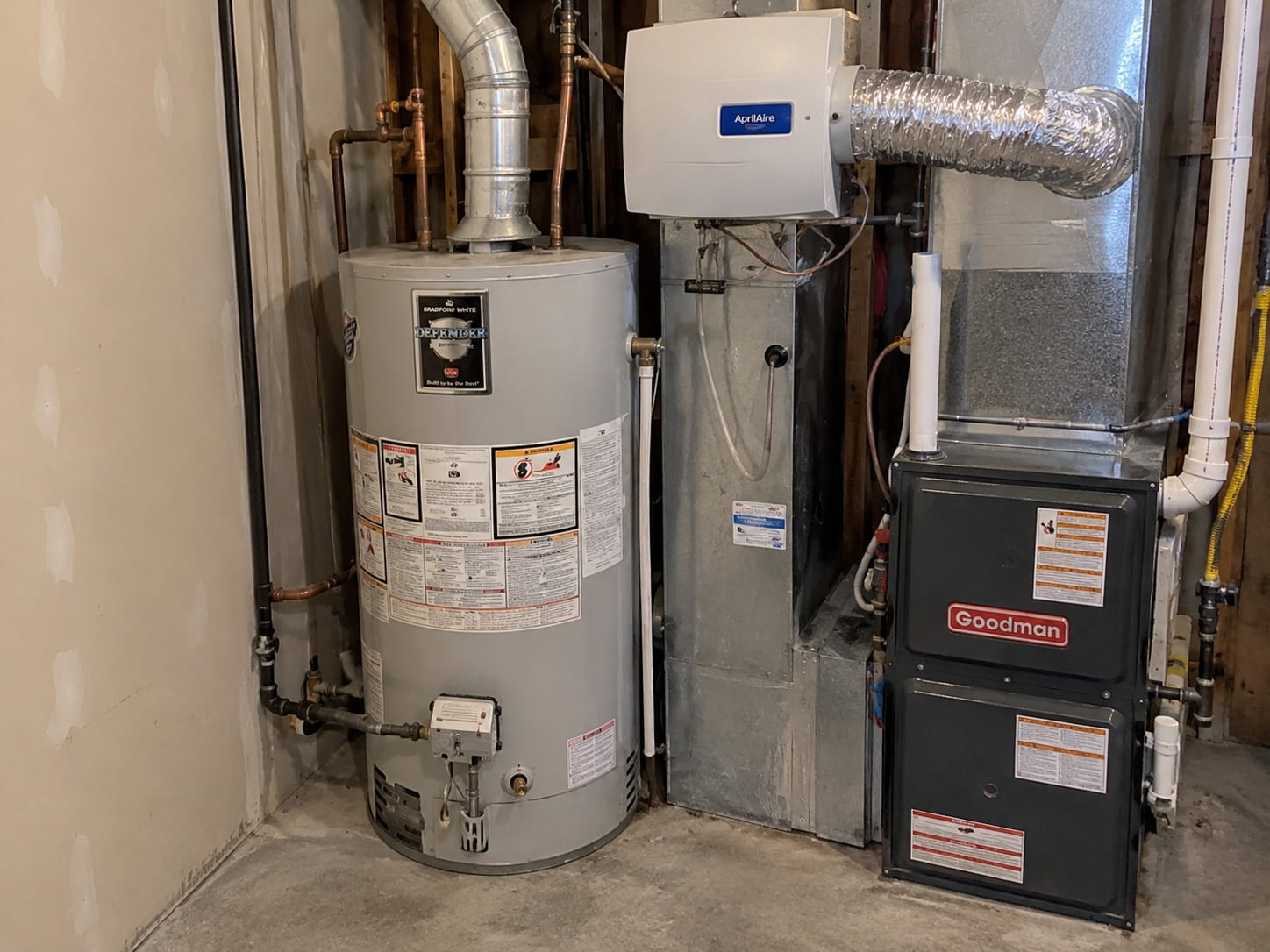
We also look at the whole picture. If switching to a condensing furnace leaves an old water heater alone on an oversized chimney, we identify the venting issue and explain the fix. You get clear pricing, a clean jobsite and a walkthrough of shutoff valves, filter changes and carbon monoxide detector placement before we leave. We also review the thermostat setup, staging and blower settings with you, so a two-stage or modulating gas furnace delivers the quieter, steadier comfort it was designed to provide. Required permits are pulled for every job.
Request a free estimate
We inspect your gas service, existing piping, flue or chimney and furnace location, then calculate heating load to recommend a properly sized standard or high-efficiency gas furnace.
Our team sets the furnace, runs and tests gas piping, installs venting and condensate lines, and connects ductwork and thermostat wiring according to the manufacturer's installation manual.
We leak-test gas connections, measure manifold pressure and draft, run a combustion analysis for carbon monoxide, and confirm every safety switch works before handing the system over.
FAQ
Answers to the questions Roswell customers ask us most. Still unsure? Call (770) 661-0066.
It depends on venting, budget and how long you plan to stay. An 80 percent furnace can often reuse an existing metal flue and costs less upfront. A high-efficiency condensing model burns less gas but needs PVC venting and a condensate drain. In Roswell's mild climate, we help you weigh the installation scope against expected fuel savings.
Yes, every home with gas appliances should have working carbon monoxide detectors, typically on each level and near sleeping areas. A properly installed furnace should not leak CO, but detectors provide an essential warning if a vent becomes blocked or a part fails later. We check for detectors during installation and recommend placement if any are missing.
Possibly, if natural gas service is available on your street or you are willing to use propane. The gas utility handles the meter and service line, and we install the piping from the meter to the furnace, along with venting. We help you weigh that added work against an electric furnace or heat pump before you commit.
The main factors are furnace efficiency and staging, heating capacity, venting changes, gas line modifications and how accessible the installation location is. Converting from an 80 percent to a condensing furnace often involves new vent routing and a drain. We inspect your home first, then give you a written, upfront quote covering every item of work.
A condensing furnace extracts so much heat from exhaust gases that water vapor condenses into liquid inside the unit. That slightly acidic water must be carried to a floor drain, a condensate pump or another approved location. If the drain clogs or freezes, the furnace shuts down, so proper slope, traps and freeze protection matter.
Free, no-obligation quote
Tell us what's going on and we'll get back to you with clear options and an upfront price.