Safe Coil Thawing
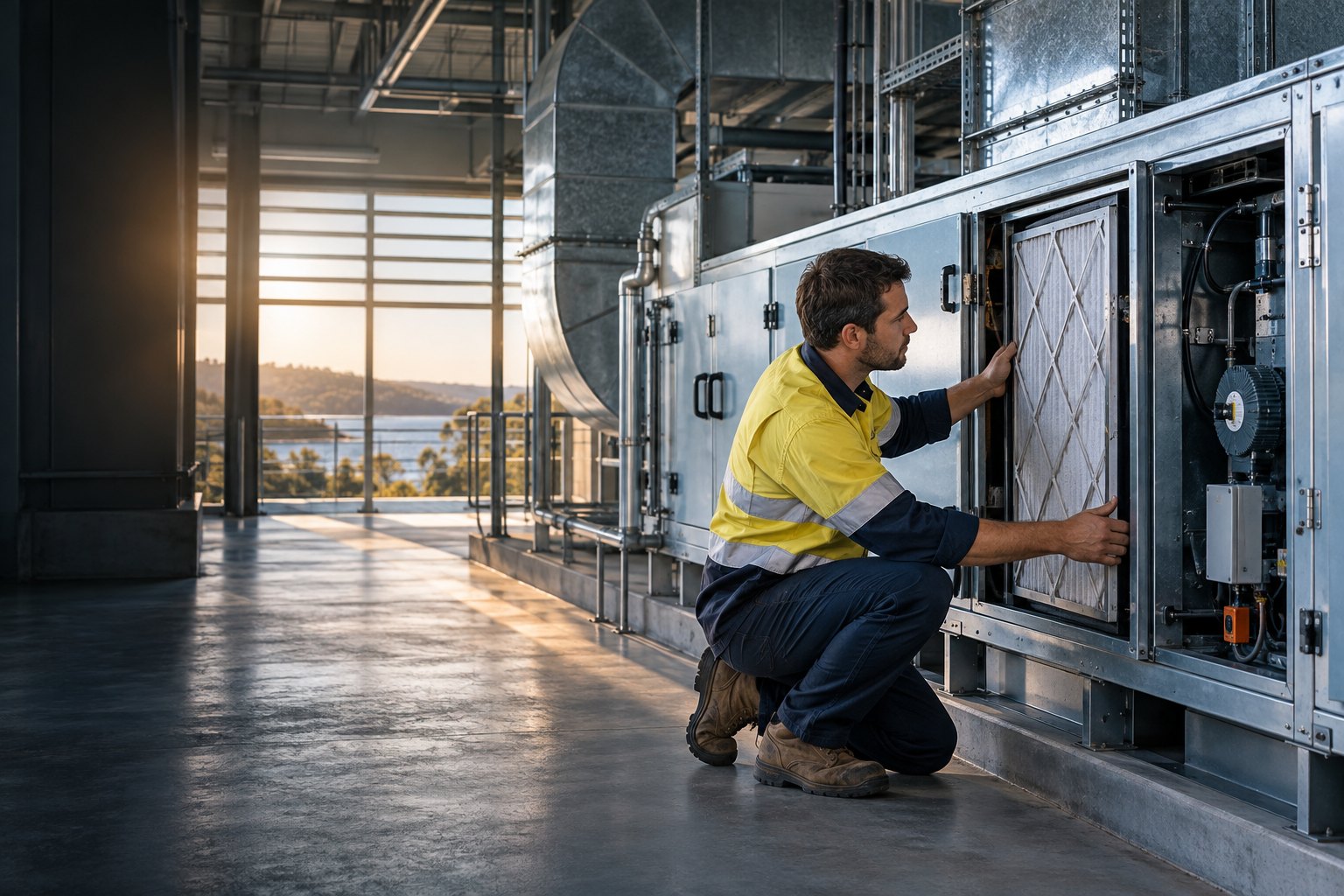
We thaw the evaporator coil without damaging its fins, using the blower and controlled methods, and manage meltwater so it drains properly instead of overflowing into ceilings or floors.
Cooling and HVAC
Frozen AC repair in Roswell for iced coils and suction lines. We safely thaw, then fix airflow, refrigerant and drainage causes. Call (770) 661-0066.
Ice on an air conditioner seems strange during a hot Georgia summer, but it is a common and serious problem. When the indoor coil gets too cold, moisture from the air freezes on its surface, blocking airflow and causing even more ice to form. You may see frost on the copper line at the outdoor unit, notice weak airflow from the vents or find water dripping as the ice melts. Professional frozen AC repair in Roswell addresses both the ice and its cause. The most common culprits are dirty filters, a failing blower motor, blocked return vents, low refrigerant from a leak and a dirty evaporator coil. Running a frozen system can damage the compressor, so we recommend switching the thermostat to off and the fan to on while you wait for our technician to arrive.
We thaw the evaporator coil without damaging its fins, using the blower and controlled methods, and manage meltwater so it drains properly instead of overflowing into ceilings or floors.
Restricted airflow is the leading cause of freezing. We check the filter, blower wheel, motor speed, return grilles and ductwork, then measure static pressure to confirm airflow is correct.
A weak or failing blower motor moves too little air across the coil. We test the motor and capacitor, replace failed parts and set the correct speed for cooling.
Low charge lowers coil pressure and temperature, causing ice. We measure superheat and subcooling, locate any leak and recommend a repair before restoring the correct refrigerant charge.
Dust and biological growth on the coil block heat transfer and airflow. We clean the coil with appropriate coil cleaners and verify the condensate pan drains freely afterward.
A stuck relay or misconfigured thermostat can keep the compressor running continuously. We test controls and settings to make sure the system cycles off normally when temperatures are reached.
Thawing the ice is easy; keeping it from coming back requires finding the real cause. Our technicians work through airflow, refrigerant charge, coil condition and controls in a logical order, measuring each one instead of assuming. That approach prevents repeat freezing and protects your compressor from the liquid refrigerant that a frozen coil can send back to it.
We also help you avoid water damage along the way. A melting coil can release more water than a clogged drain can handle, so we check the pan, trap and float switch as part of every frozen system call. You will understand what caused the problem and how to help prevent it, whether that means changing filters more often during heavy spring pollen or scheduling regular maintenance.
Request a free estimate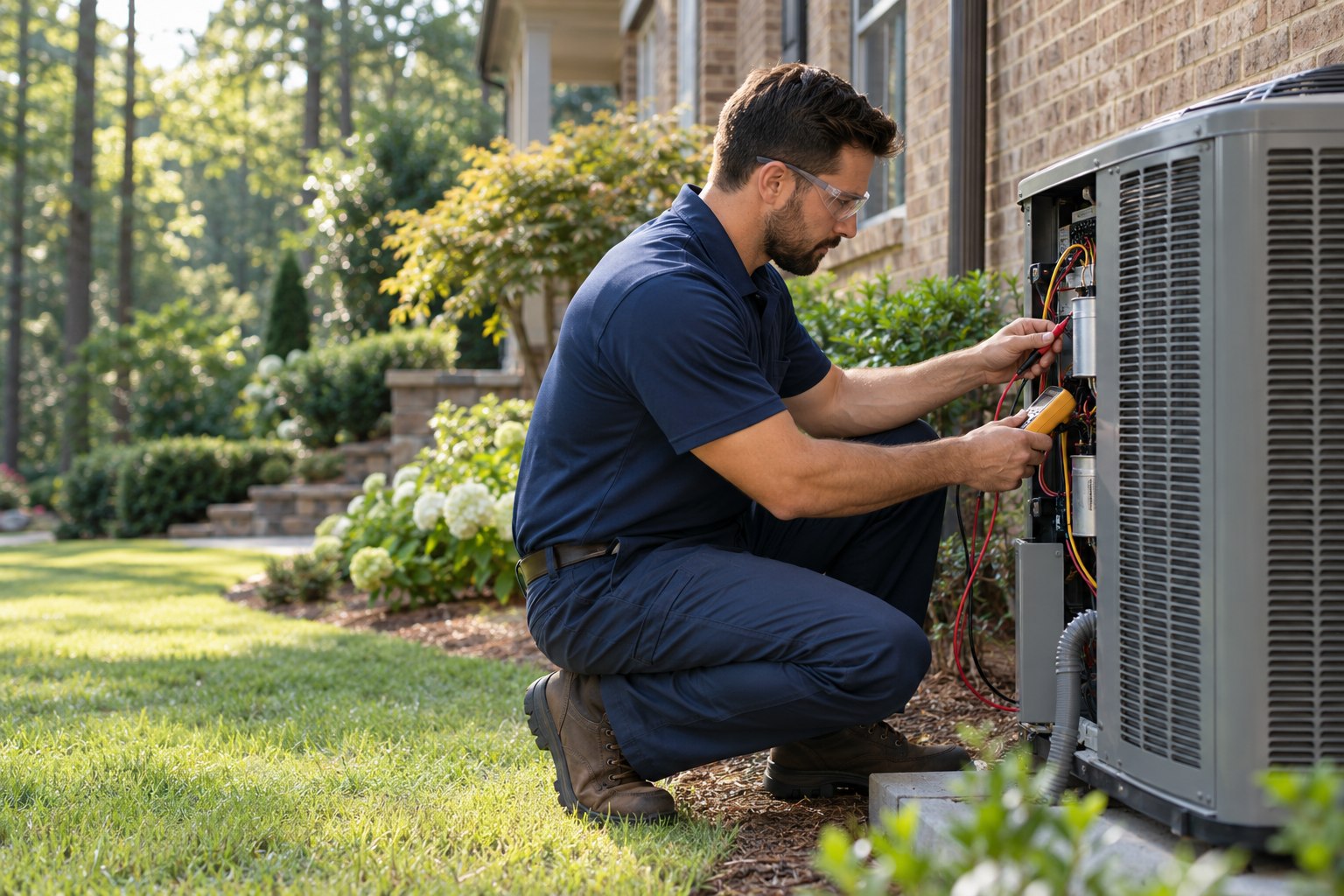
We confirm the system is safely shut down, thaw the coil carefully and protect the area from meltwater so diagnosis can begin without risking further damage to equipment.
With the ice cleared, we test airflow, blower operation, refrigerant charge, coil cleanliness and thermostat controls to identify exactly why the evaporator coil froze in the first place.
We complete the repair, restart cooling and watch the coil temperature, suction line and airflow through a full cycle to confirm ice is no longer forming.
FAQ
Answers to the questions Roswell customers ask us most. Still unsure? Call (770) 661-0066.
Ice forms when the indoor coil gets too cold, usually because not enough air is moving across it or the refrigerant charge is low. Dirty filters, blocked returns, a weak blower and a leak are the usual causes. Humid Roswell air carries plenty of moisture, so once the coil drops below freezing, ice builds quickly.
Turn the thermostat cooling setting off and set the fan to on, which helps the ice melt faster. Check the filter and replace it if it is dirty. Place towels near the indoor unit to catch extra water. Do not chip at the ice, and do not restart cooling until the cause is found.
Thawing typically takes a few hours with the fan running, though heavy ice can take longer. Running cooling during that time only makes it worse. Our technician can manage thawing during the visit, but turning the system off as soon as you notice ice usually shortens the overall repair time considerably.
Yes. Continuing to run a frozen system can send liquid refrigerant back to the compressor, which is designed to pump vapor and can be seriously damaged. Melting ice can also overwhelm the drain pan and cause water damage. Shutting the system off early and fixing the cause protects both the equipment and your home.
Replace filters regularly, especially during spring pollen and summer, keep return vents unobstructed and avoid closing too many supply registers. Annual maintenance keeps the coil clean and confirms the refrigerant charge and blower speed are correct. If the freezing was caused by a leak, repairing it properly is the key step.
Free, no-obligation quote
Tell us what's going on and we'll get back to you with clear options and an upfront price.