Heat Strip Sizing
We match the kilowatt rating of the heating elements to your home's calculated heat loss, so the system keeps up on cold nights without wasting electricity or overloading circuits.
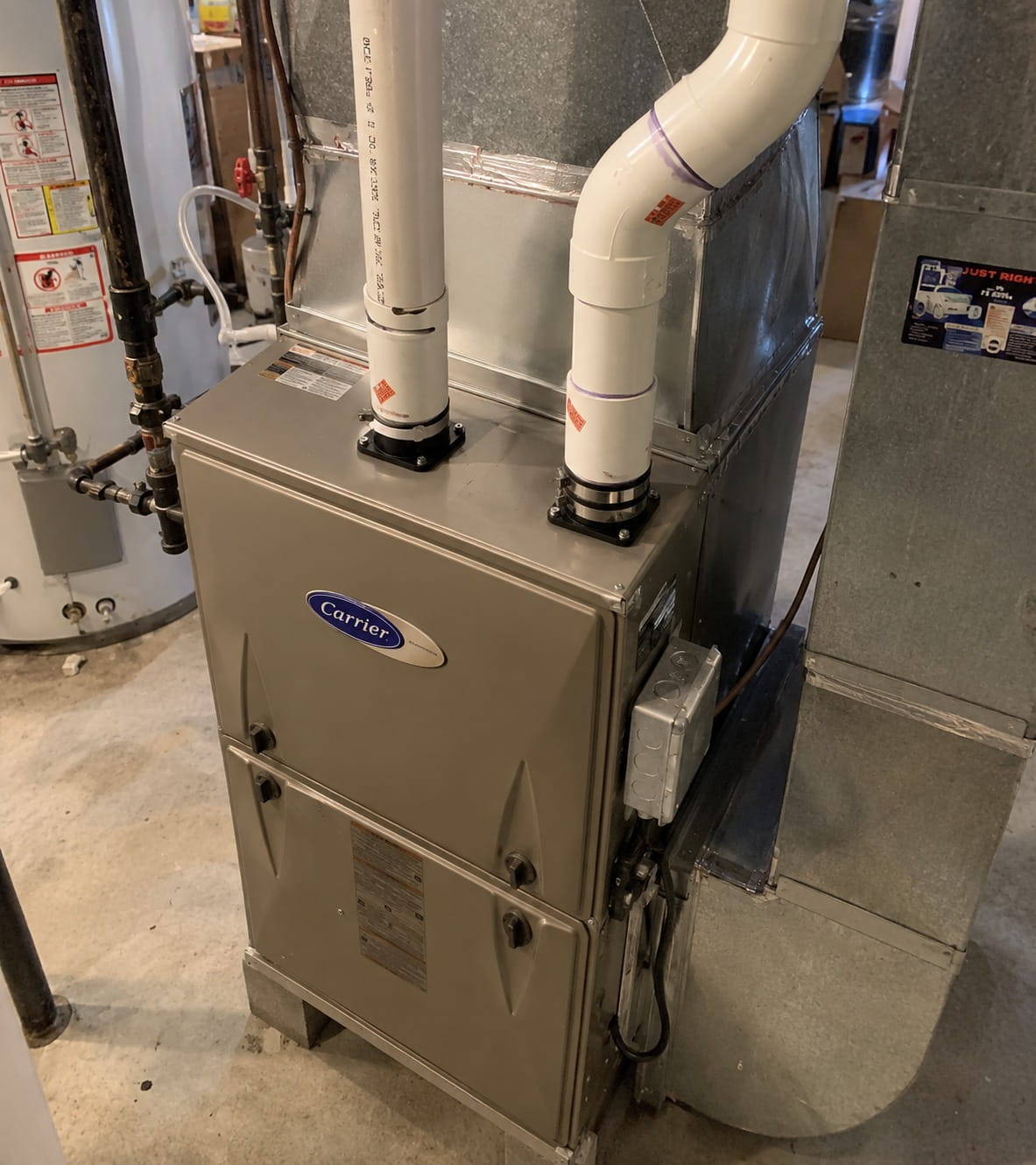
Heating
Electric furnace installation in Roswell, GA. We size heat strips, verify panel capacity and breakers, and install clean, flame-free heat for any home.
Not every home has natural gas service, and some owners simply prefer heat without combustion, flues or fuel lines. Our electric furnace installation in Roswell service provides dependable, flame-free warmth using electric resistance heating elements inside an air handler. Because an electric furnace can draw a large amount of current, the most important part of the job happens before the unit arrives. We calculate your heating load, select the correct kilowatt rating for the heat strips, and confirm your electrical panel has the capacity and breaker space to support it. Our installers then set the unit, connect ductwork, run properly sized wiring and test each heating stage and sequencer. Electric furnaces are quiet, compact and simple to maintain, and they pair well with a heat pump for homeowners who want lower operating costs during Roswell's mild winter days.
We match the kilowatt rating of the heating elements to your home's calculated heat loss, so the system keeps up on cold nights without wasting electricity or overloading circuits.
Before installation, we review your electrical panel, service size and available breaker space, and recommend a panel upgrade only when the new load genuinely requires one.
We install correctly sized wire, breakers and disconnects for each heating circuit, following code and manufacturer requirements so the system runs safely at full load on the coldest winter nights.
Electric furnaces bring elements on in stages through sequencers or relays. We configure staging and thermostat settings to limit power spikes and keep indoor temperatures steady throughout the day.
Adding a heat pump lets the electric furnace serve as backup heat while the heat pump handles most of the load, cutting energy use during mild Georgia winter weather.
We connect supply and return ducts, set blower speed for proper airflow across the elements, and confirm the high-limit switches never trip during normal, everyday heating operation.
An electric furnace looks simple, but a poorly planned installation can trip breakers, overheat wiring or leave rooms cold. We treat the electrical side as carefully as the heating side, checking service capacity, conductor sizing and breaker ratings before any equipment is ordered.
Because electric heat has no combustion, there is no flue, gas line or carbon monoxide produced by the furnace itself, which makes it a practical choice for homes without gas service and for condos or additions. We explain operating cost honestly, show you how a heat pump can reduce it, and leave you with a system that is safe, quiet and easy to maintain. Our installers label new breakers clearly, tidy every wire run and leave the panel safe and organized. Before leaving, we show you how auxiliary and emergency heat settings work on your thermostat.
Request a free estimate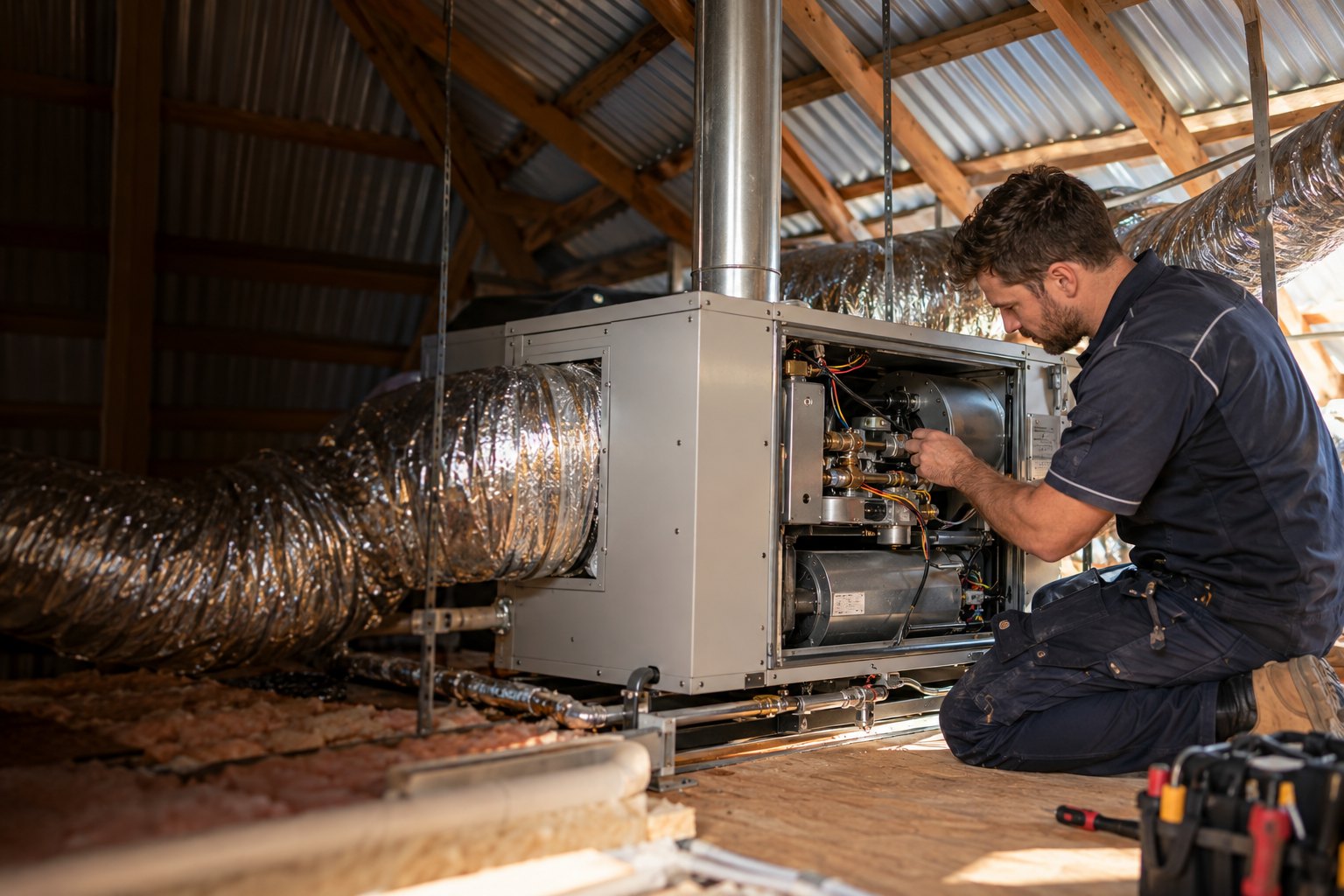
We calculate your heating load, inspect the electrical panel and existing wiring, and confirm the home can support the kilowatt rating an electric furnace will need on cold nights.
You receive options for standalone electric heat or a heat pump with electric backup, with clear pricing and an honest comparison of expected comfort and operating costs.
We install the unit, wiring and breakers, connect ductwork, then test each heating stage, measure amperage draw and temperature rise, and set up your thermostat correctly.
FAQ
Answers to the questions Roswell customers ask us most. Still unsure? Call (770) 661-0066.
Electric resistance heat costs more to operate than a heat pump because it turns electricity directly into heat. Roswell's relatively mild winters keep the total runtime moderate, which helps. Many homeowners pair an electric furnace with a heat pump so the heat pump handles most days and the resistance elements run only during the coldest weather.
Not necessarily. Many homes with 200-amp service can support an appropriately sized electric furnace, while older homes with smaller service or crowded panels may need an upgrade. We calculate the new load against your existing service and available breaker space before recommending anything, and we only suggest a panel upgrade when the numbers genuinely require it.
Electric furnaces often have long service lives because they have fewer moving parts and no combustion stresses on a heat exchanger. The blower motor, sequencers and heating elements are the components that wear, and most can be replaced individually. Keeping filters clean and airflow correct protects the elements from overheating and helps the system last.
An electric furnace produces no combustion, so it cannot create carbon monoxide or require a flue or gas line. It still carries electrical risks if wiring or breakers are undersized, which is why proper installation matters. Homes with other gas appliances, such as water heaters or ranges, should still keep carbon monoxide detectors installed.
An electric furnace generates heat with resistance elements, much like a large toaster, while a heat pump moves heat from outdoor air into the home using refrigerant. Heat pumps use far less electricity in mild weather and also provide cooling. Electric furnaces are simpler and cost less upfront, and they often serve as backup heat for heat pumps.
Free, no-obligation quote
Tell us what's going on and we'll get back to you with clear options and an upfront price.