No-Heat Troubleshooting
We test thermostats, zone valves, aquastats, ignition and gas or electric supply to find why the boiler will not fire or why heat never reaches certain rooms.
Heating
Boiler repair in Roswell, GA for no heat, pressure loss, leaks, noisy pipes and failed circulators. Accurate diagnosis and safe, lasting hot water heat.
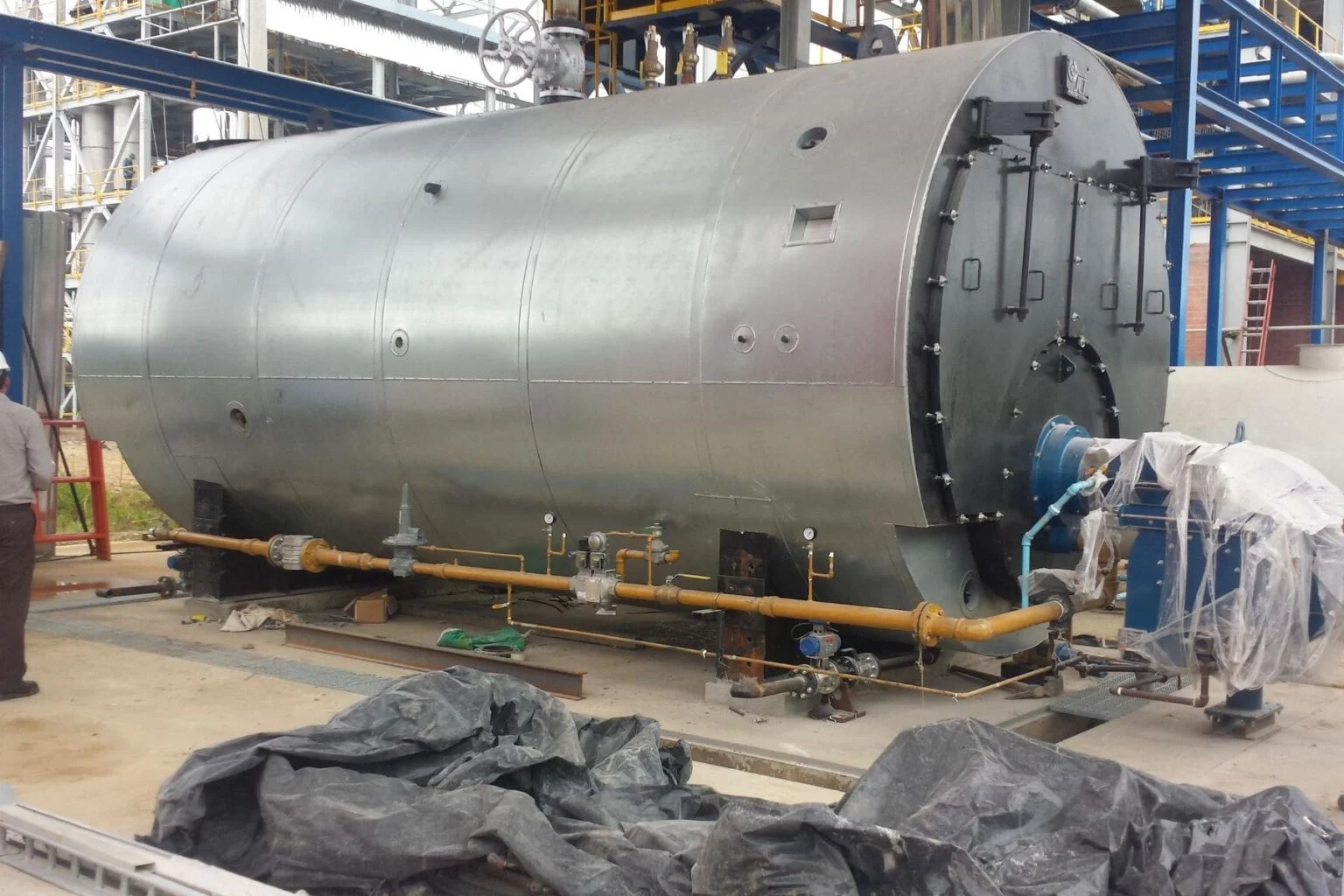
When a boiler stops heating, the whole house feels it quickly, and the cause can hide anywhere in the system. Our boiler repair in Roswell service covers gas and electric hot water boilers, including the radiators, baseboard and radiant loops they feed. Technicians check the basics first, such as system pressure, the pressure-reducing valve, and whether the burner or elements are firing, then move on to circulator pumps, zone valves, aquastats and ignition controls. We also track down the symptoms homeowners notice most: banging or kettling sounds, a relief valve that keeps dripping, cold radiators at the end of a loop and water on the floor around the boiler. Older homes near Historic Roswell often have boilers that have been modified over the years, so we take time to understand the piping before recommending a fix. Every gas boiler repair includes a carbon monoxide check.
We test thermostats, zone valves, aquastats, ignition and gas or electric supply to find why the boiler will not fire or why heat never reaches certain rooms.
Low pressure, constant refilling or water on the floor point to leaks, a failed fill valve or a waterlogged expansion tank. We locate the source and repair it properly.
A seized or failing circulator leaves boilers hot but radiators cold. We test pump operation, flow and relays, and replace pumps or cartridges when they have reached end of life.
Banging, gurgling and kettling usually come from trapped air, mineral scale or poor flow. We bleed the system, check air separators and address scale on the heat exchanger.
A dripping relief valve often signals overpressure from a bad expansion tank or fill valve. We fix the cause and replace the valve if it no longer seals properly.
We repair igniters, flame sensors, gas valves, low-water cutoffs and high limits, then run a combustion check to confirm safe burning and normal carbon monoxide readings.
Boiler systems are less common than forced air in metro Atlanta, and many contractors are unfamiliar with them. Our technicians understand hydronic piping, expansion tanks, zone controls and the quirks of older cast iron and modern condensing boilers alike, so we can diagnose problems efficiently rather than replacing parts by trial and error.
You get a clear explanation of what failed and an upfront price before work begins. We focus on durable repairs that address root causes, such as a failing expansion tank behind a dripping relief valve. If a boiler is unsafe or no longer worth repairing, we say so honestly and outline sensible next steps. We carry common hydronic parts such as circulator cartridges, relief valves, fill valves and air vents, so many boiler repairs are completed during the first visit without waiting days for a return trip.
Request a free estimate
We start with system pressure, temperature and burner or element operation, then trace the problem through pumps, valves and controls until we locate the true cause of the failure.
We show you what is wrong, explain how it affects the rest of the system, and give you a clear price and timeline before any repair work on your boiler begins.
After the repair, we purge air, restore correct pressure, test each zone and run a combustion and carbon monoxide check so the entire system heats evenly and safely.
FAQ
Answers to the questions Roswell customers ask us most. Still unsure? Call (770) 661-0066.
Pressure loss usually means water is escaping somewhere, such as a leaking pipe joint, a dripping relief valve, a failed bleeder or a leak inside the boiler. A waterlogged expansion tank can also cause pressure swings that open the relief valve. We track down the source rather than simply refilling, since constant fresh water accelerates corrosion.
Cold radiators are often caused by trapped air, a stuck zone valve, a failing circulator pump or poor flow in a long loop. Radiators at the far end of a system are usually affected first. Bleeding air sometimes fixes it, but recurring cold spots call for a technician to check pumps, valves and system balance.
Usually it is a sign of trapped air, scale buildup or poor water flow rather than an immediate danger, but it should not be ignored. Kettling, a rumbling noise, can indicate overheating in a scaled heat exchanger, which shortens boiler life. If noise comes with high pressure readings or a leaking relief valve, turn the boiler off and call for service.
Cost depends on the failed part, the boiler type, accessibility and whether parts are stocked locally or must be ordered for older or less common models. Bleeding air or replacing a fill valve is simpler than replacing a circulator or heat exchanger. We diagnose first and give you an upfront quote before starting any repair.
Yes, bleeding radiators is a reasonable homeowner task. With the system warm, open the bleed valve slowly with a radiator key, let air escape until water appears, then close it. Afterward, check the boiler pressure gauge, since bleeding lowers pressure. If pressure keeps dropping or air keeps returning, the system has an underlying problem a technician should address.
Free, no-obligation quote
Tell us what's going on and we'll get back to you with clear options and an upfront price.