Burner Cleaning
We remove dust and rust from the burners and check flame pattern and color, because uneven or yellow flames waste fuel and can signal incomplete combustion inside the furnace.
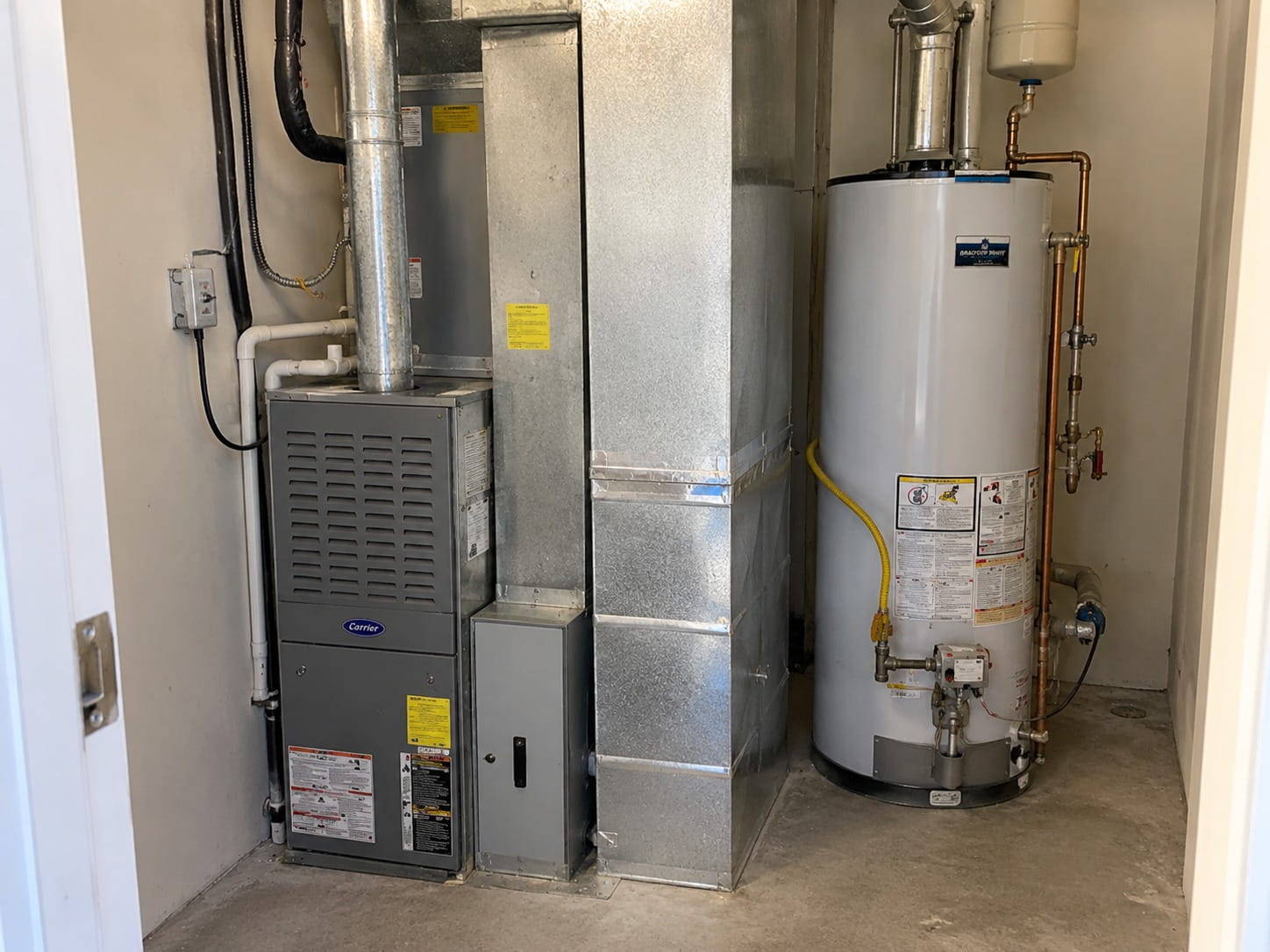
Heating
Annual furnace maintenance in Roswell, GA. We clean burners and flame sensors, inspect the heat exchanger, test safety controls and check for CO.
A furnace that sits idle through Georgia's long cooling season collects dust, rust and debris that can cause trouble on the first cold morning. Our furnace maintenance in Roswell is a focused tune-up built specifically for gas and electric furnaces, completed ideally in early fall before heavy use begins. Technicians clean the burners and flame sensor, inspect the heat exchanger for cracks, test the igniter, measure gas pressure and confirm the inducer and pressure switch operate correctly. On the airflow side, we check the blower wheel, motor amperage and filter, then measure temperature rise to make sure the furnace is running within the manufacturer's range. Every gas furnace visit includes a carbon monoxide test and a flue inspection. The result is a furnace that lights reliably, burns cleanly and is far less likely to fail in the middle of a winter cold snap.
We remove dust and rust from the burners and check flame pattern and color, because uneven or yellow flames waste fuel and can signal incomplete combustion inside the furnace.
A light polish of the flame sensor removes the oxide film that causes nuisance shutdowns. We then verify the flame signal reading on the control board is strong and steady.
Using a light and inspection camera where access allows, we look for cracks, rust-through and stress marks that could let combustion gases mix with the air you breathe.
We measure inlet and manifold gas pressure and adjust it to the manufacturer's specification, ensuring proper heat output and preventing overfiring that strains the heat exchanger.
We inspect the blower wheel for buildup, test motor amperage and capacitor, replace or check the filter, and measure temperature rise across the furnace to confirm healthy airflow.
We inspect the flue pipe and termination for blockages or separation, test for carbon monoxide around the furnace and at registers, and confirm all safety switches shut the burners down properly.
Furnace maintenance is only valuable when it is thorough. Our checklist goes well beyond a filter change and a quick look, covering combustion, airflow, electrical and safety controls in one organized visit. We record measurements each year so small changes, like a weakening inducer motor or rising static pressure, are spotted early.
After the tune-up, you get a clear summary of what we found and what, if anything, needs attention. We never pad the report with unnecessary repairs, and we tell you honestly when a part can wait. Regular care helps your furnace last longer, keeps its efficiency where it should be, and gives you confidence it will start when a winter freeze hits Roswell. Our technicians arrive on time, protect your floors and leave the work area tidy.
Request a free estimate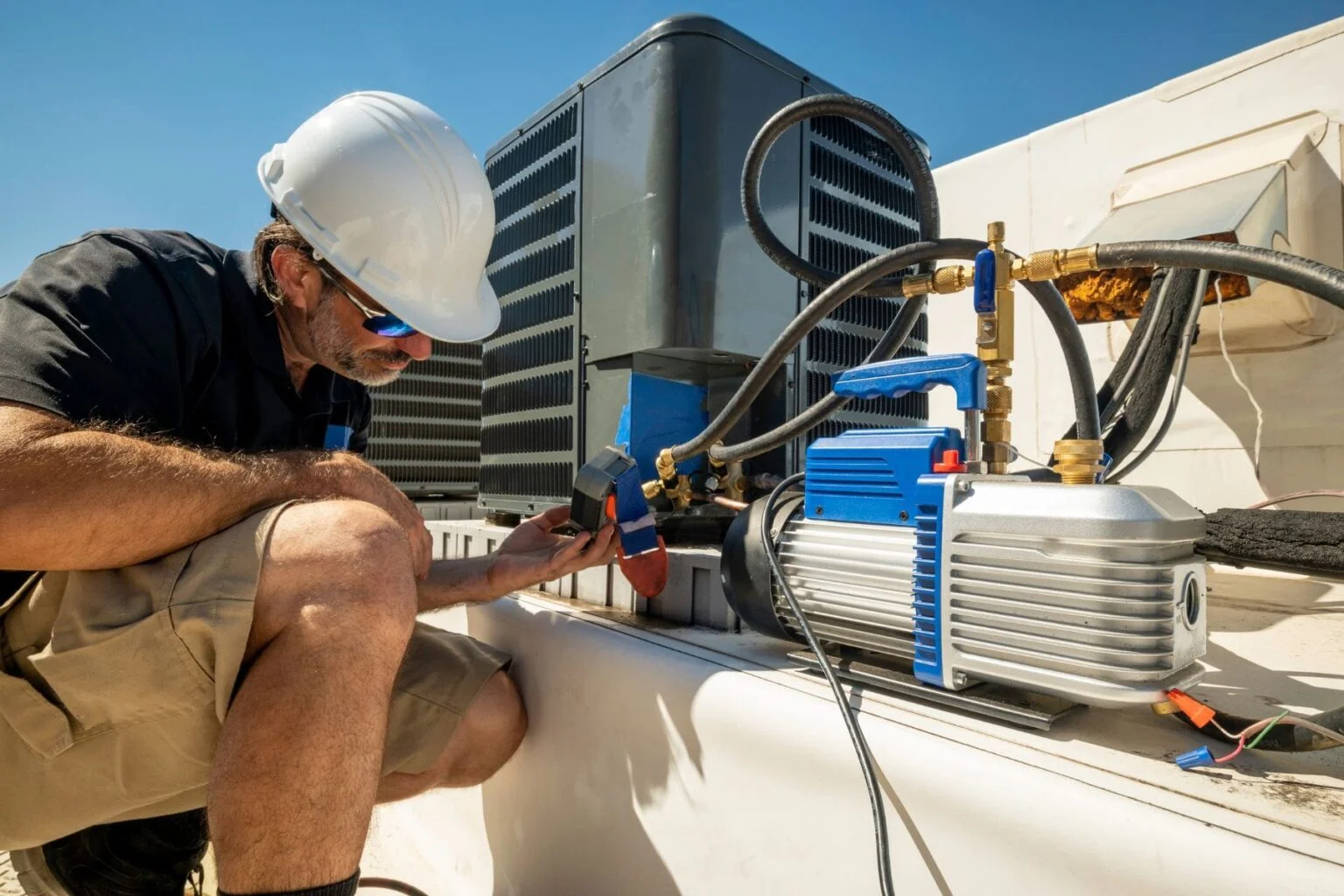
We recommend booking in early fall, before the first cold nights. Pick a convenient time and our technician arrives ready with the tools and parts typical furnace tune-ups require.
The technician cleans burners and the flame sensor, inspects the heat exchanger, tests gas pressure, ignition and blower operation, and runs a carbon monoxide check on the system.
You receive a simple summary of measurements, cleaning performed and any concerns, with each recommendation explained and prioritized so you can plan repairs on your own timeline.
FAQ
Answers to the questions Roswell customers ask us most. Still unsure? Call (770) 661-0066.
Once a year is the standard recommendation, ideally in early fall before the first cold nights. Even though Roswell winters are relatively short, a furnace sits unused for months and collects dust and moisture in that time. An annual tune-up catches worn igniters, dirty sensors and venting issues before they cause a breakdown during a freeze.
A thorough furnace tune-up typically takes about an hour to an hour and a half, depending on the unit's condition and how easy it is to reach. Attic furnaces and heavily soiled equipment may take longer. You do not need to leave the house, and we let you know if any findings require a separate repair visit.
Homeowners can and should change the filter regularly and keep the area around the furnace clear of storage. Cleaning burners, testing gas pressure, inspecting the heat exchanger and checking for carbon monoxide require specialized tools and training. Those tasks are best left to a technician, because mistakes with gas and combustion equipment can create real safety hazards.
It can help. Clean burners, a correctly adjusted gas pressure and a clean blower all let the furnace deliver its full rated output with less fuel and electricity. Maintenance also prevents the slow efficiency loss that comes from dirt buildup. The bigger benefit is usually reliability, since many no-heat calls trace back to issues a tune-up would catch.
Standard one-inch filters generally need changing every one to three months, while thicker media filters can last longer. Homes with pets, recent renovation dust or heavy spring pollen should check filters more often. A clogged filter restricts airflow, overheats the heat exchanger and can trip the high-limit switch, so a quick monthly look is a good habit.
Free, no-obligation quote
Tell us what's going on and we'll get back to you with clear options and an upfront price.